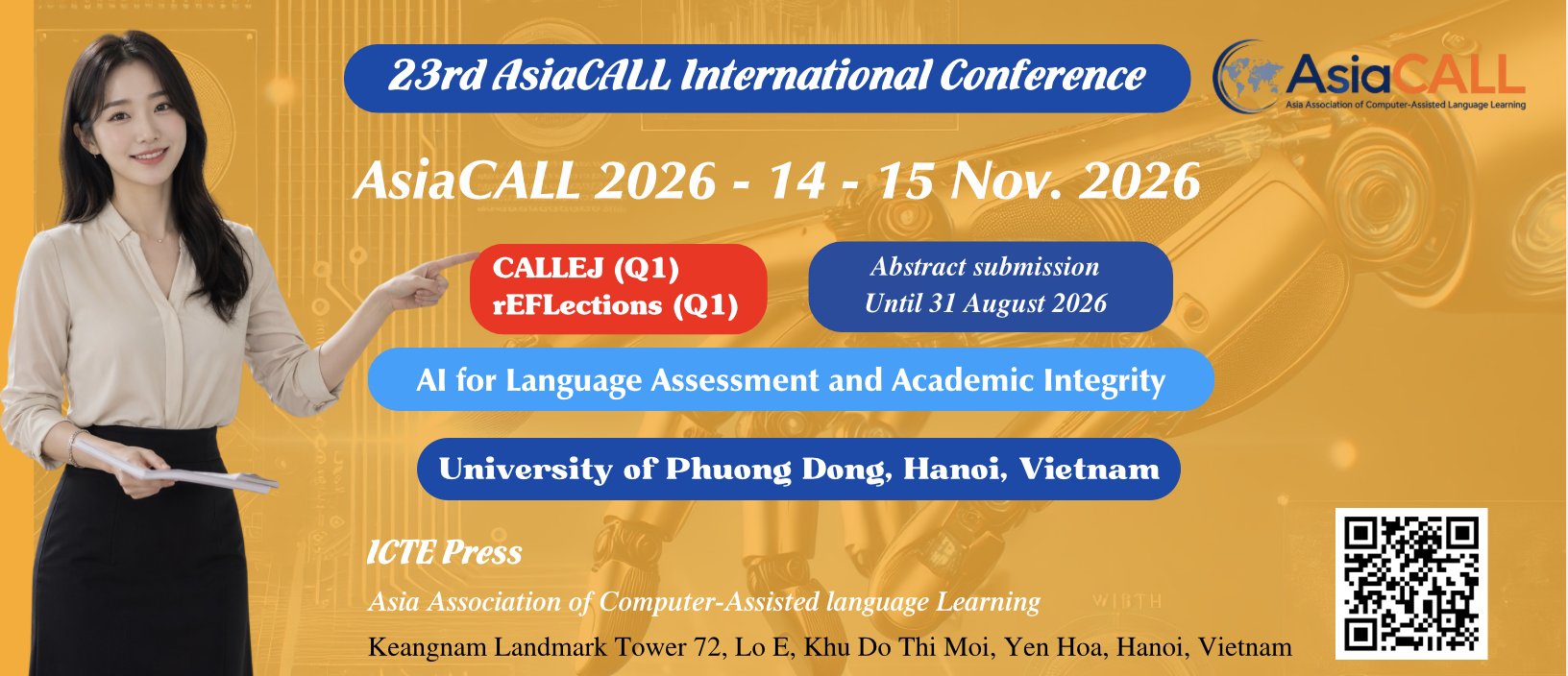
23rd AsiaCALL International Conference (AsiaCALL 2026)

Dear AsiaCALLers,

On behalf of the Asia Association of Computer-Assisted Language Learning (AsiaCALL), I am pleased to announce the 23rd AsiaCALL International Conference (AsiaCALL 2026), to be held on 14–15 November 2026 and graciously hosted by Phuong Dong University at 171 Trung Kinh Street, Ward Yen Hoa, Ha Noi Capital, Vietnam.

As we look ahead to AsiaCALL 2026, we also reflect with deep appreciation on the remarkable success of AsiaCALL 2025, hosted at Universitas Islam Siber Syekh Nurjati Cirebon (UIN SSC), Indonesia. I would like to express my sincere gratitude to the international scholars and professionals—representing 15 countries: China, Vietnam, Malaysia, Japan, Indonesia, Singapore, the United Kingdom, Saudi Arabia, Pakistan, the United States, the Philippines, Oman, Bangladesh, Nepal, and Ireland—whose research contributions, presentations, collegial engagement, and collaborative spirit made AsiaCALL 2025 a truly meaningful academic gathering. Your commitment strengthened our shared mission: advancing technology-enhanced language education through rigorous scholarship, practical innovation, and ethical responsibility.

AsiaCALL 2026 will continue this momentum by convening researchers, educators, students, policymakers, and industry partners to exchange evidence-based practices and emerging research on digital transformation in language learning. We warmly invite colleagues across the region and beyond to join us in Ha Noi for two days of keynotes, paper presentations, symposia, workshops, and networking—fostering new collaborations and actionable insights for classrooms and communities.

Theme: AI for Language Assessment and Academic Integrity

Sub-themes:

  • Designing AI-resilient assessment tasks and rubrics
  • AI-assisted scoring: validation, reliability, washback
  • Detecting and discouraging misconduct without over-policing learners
  • Authentic assessment, oral exams, portfolios, and process-based writing
  • AI for Language Learning
  • AI and Language Teacher Education: Preparing Teachers for the Digital Age
  • AI, Chatbots and Language Learning
  • Game-Based Language Learning and AI
  • The Use of AI for Assessment and Feedback in Language Learning
  • Mobile-Assisted Language Learning
  • Learner Autonomy and AI for Language Learning
  • Online and Distance Language Learning
  • Intercultural Competence in Language Learning
  • Language Learning for Specific Purposes
  • Languages & Linguistics
  • Computer-Assisted Language Learning
  • Blended and online language learning

AsiaCALL 2025 marked a significant step forward in connecting researchers and practitioners who are exploring how AI can improve language education while preserving pedagogical quality and human values. Building on that momentum, AsiaCALL 2026 introduces the theme “AI for Language Assessment and Academic Integrity” to address one of the field’s most urgent priorities: how to use AI to strengthen, rather than weaken, trustworthy assessment. This theme invites discussion on AI-assisted scoring, formative feedback, and analytics that support valid, reliable, and fair evaluation across speaking, writing, reading, and listening. At the same time, it foregrounds integrity through assessment redesign, authentic performance tasks, process-based writing, oral defenses, and transparent rubric use that reduce opportunities for misuse. The theme also encourages institutions to develop practical policies, teacher training, and student AI literacy so assessment systems remain ethical, evidence-based, and learning-centered. In short, AsiaCALL 2026 positions integrity and innovation as mutually reinforcing goals for language education.


Presentation Modalities:

To accommodate our diverse group of presenters, AsiaCALL2026 will offer flexible presentation options:

  • Local Presenters: Authors based in Vietnam will present in-person at our campus, allowing for direct interaction and engagement with attendees.

  • International Presenters: Authors from other countries will have the option to present in a hybrid modality, choosing between online or in-person presentations based on their preferences and circumstances.

This approach ensures that all participants can share their research and insights effectively, regardless of their location.


Key Highlights of AsiaCALL2026:
  • Prestigious International Gathering
    The 23rd AsiaCALL International Conference will bring together scholars, educators, researchers, and innovators in technology-enhanced language education.
  • Strong AI-Focused Agenda
    Dedicated tracks on AI integration in pedagogy, language assessment, learning analytics, ethical implementation, and digital innovation.
  • Featured Theme: AI for Language Assessment and Academic Integrity
    A special focus on valid AI-assisted assessment, authentic task design, responsible AI use, and integrity-centered policy and practice.
  • Diverse Academic Program
    Keynote speeches, paper presentations, symposiums, hands-on workshops, and expert panel discussions.
  • Global Collaboration and Networking
    Opportunities to build cross-country research partnerships, institutional collaborations, and interdisciplinary projects.
  • Research-to-Practice Impact
    Emphasis on practical, evidence-based strategies that can be adopted in real classrooms and teacher education contexts.

Who Should Attend:

  • Language educators and instructors are interested in leveraging AI technologies.
  • Researchers and academics in the fields of CALL, educational technology, and applied linguistics.
  • Developers and innovators creating AI tools for language learning.
  • Educational policymakers and administrators seeking to understand the impact of AI on language education.
  • Language instructors.

Important Dates:
  • Abstract Submission: Until 10 June 2026
  • Notification of Acceptance: 30 June 2026 – 15 July 2026
  • Participation Confirmation/Registration: 10 September 2026
  • Full Paper Submission: 15 September 2026 (ICTE Journals & Proceedings) (CALLEJ, Scopus Q1, after the conference).
  • PowerPoint Submission: 10 November 2026
  • Conference Dates: 14–15 November 2026

Registration and Submission Details:

Prospective participants are encouraged to submit their abstracts for presentations and workshops. Detailed information regarding registration, submission guidelines, and conference schedules will be available on the official AsiaCALL2026, https://asiacall.info  

Abstract submission: https://asiacall.info/submission.


Publication Opportunities:

AsiaCALL2026 offers several avenues for publishing your research:

  1. International Journal of AI in Language Education (IJAILE):
    • Submission: If you choose to publish your article in the International Journal of AI in Language Education (IJAILE), please submit your paper to https://ijaile.org. The publication fee is 40usd/paper for the conference presenters.
    • Note: Don’t forget to use the journal’s template and forms for your submission. The forms can be downloadable from the Journal Guides for authors.
  2. Proceedings of the AsiaCALL International Conference (PAIC):
    • Submission: To publish your article in the Proceedings of the AsiaCALL International Conference (PAIC), please submit your paper to https://asiacall.info/proceedings. The publication fee is 40usd/paper for the conference presenters.
    • Note: Ensure that you adhere to the proceedings submission guidelines and use the provided template.
  3. Special Issue in the Computer-Assisted Language Learning Electronic Journal (Scopus Q1):
    • Opportunity: AsiaCALL2026 will feature a Special Issue in the Computer-Assisted Language Learning Electronic Journal (CALL-EJ), a Scopus-Q1 journal.
    • APC: A separate publishing fee of 189 USD per paper is required in case the paper is accepted for publication. All reviewing processes are free of charge.
    • Submission Process: Please email your manuscript to asiacallconference@gmail.com for an initial check. If your work has the potential to be considered for publication in the Special Issue of CALL-EJ, we will provide you with detailed instructions on how to submit it to the journal.

Notes: The Publication Fees are separate from the Conference fees, and the paper is only charged when the paper is accepted for publication after double-blind peer reviews. Don't include any publication fee in the conference fee.

Don’t forget to use the respective journal’s template for your submissions.


Keynote Speakers

Presidential Keynote

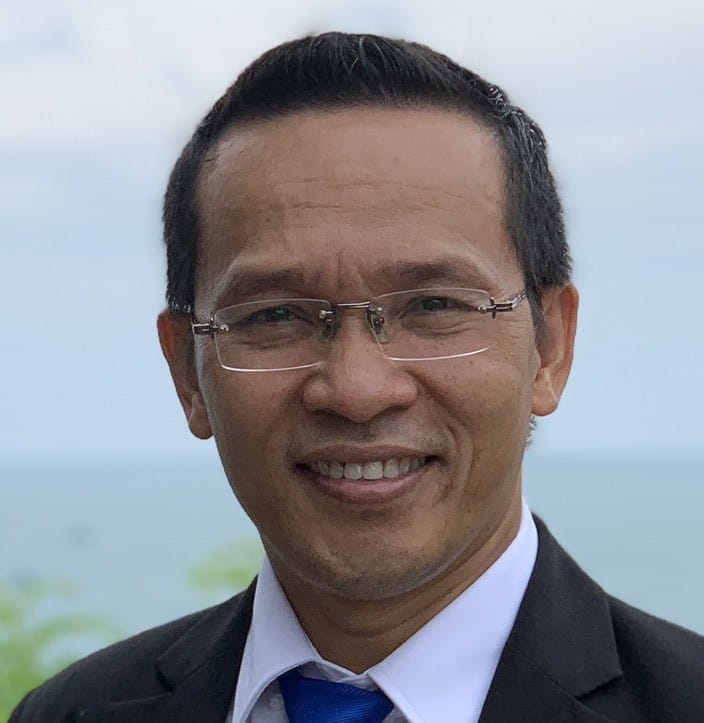
Assoc. Prof. Dr. Pham Vu Phi Ho, President of AsiaCALL

Assoc. Prof. Dr. Pham Vu Phi Ho, Faculty of Foreign Languages, Industrial University of Ho Chi Minh City, Vietnam, was previously Vice President of Ba Ria – Vung Tau University and Vice President of Van Hien University, Vietnam. He created and designed ICTE Robots for language learners and IELTs practices. Pham has published more than 80 research articles in both local and International Journals, such as Computer-Assisted language Learning, SAGE Open, System, and Journal of Psycholinguist Research (23 Scopus/16 ISI), and 10 books and course-books, 3 edited books (2 Scopus-indexed) published by Springer Nature (2) and IGI Global (1) of which 3-course books were used for both the undergraduate and graduate levels at Van Lang University, HCMC Open University, Vietnam, and Lourdes College, Higher Education Department, Cagayan de Oro City, Philippines. He has international teaching experience at Suranaree University of Technology in Thailand and Gyeongju University in South Korea. He is the President of AsiaCALL. He is now the Editor-in-Chief of the International Journal of TESOL & Education. He is a managing editor of CALL-EJ (Scopus Q1), an editorial staff member for the Suranaree Journal of Social Science (Scopus Q3), and a peer reviewer for some international Journals indexed in ISI/Scopus such as Computer Assisted Language Learning, Open Sage... (Scopus), (ISI), (Google Scholar).


Keynote 1

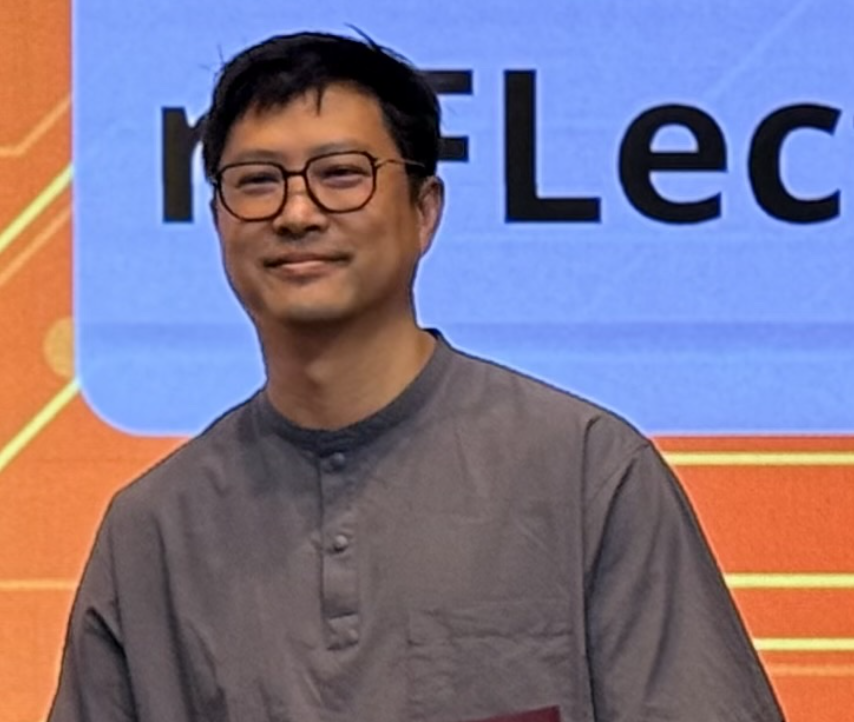
Professor Dr. Jeremy White, Ritsumeikan University, Japan

Professor Dr. Jeremy White is a professor in the College of Information Science and Engineering at Ritsumeikan University, Japan. He has taught English as a Foreign Language (EFL) in Japan for the past 20 years. He earned his PhD from Kyoto University; his dissertation research was related to Minecraft and task-based learning to encourage English language communication. Professor Dr. Jeremy White is the editor-in-chief of the CALL-EJ (Computer-Assisted Language Learning Electronic Journal) (Scopus-Q1). Professor Dr. Jeremy White is also the co-editor-in-chief of the International Journal of AI in Language Education (IJAILE) published by the ICTE Press (Scopus ID), (Google Scholar)


Keynote 2

Dr. Ania Lian, Charles Darwin University, Australia

Dr. Ania Lian, Senior Lecturer (eq. Associate Professor) in Education (Teaching and Learning), Charles Darwin University, Australia, Vice-President for Research & Innovation and Chief Editor of the AsiaCALL Online Journal. Since 1993, Ania has held positions at various universities in Australia, with her work focusing on the uses of technology in second language learning and in education in general, including software development. She has also worked at the National Policy Office of the Council on the Ageing in Canberra and has a history of working on a voluntary basis with the wider community on sustainability projects within the framework of the Queanbeyan Business Council, NSW. Ania has been a keynote speaker at a number of academic conferences both in Australia and in Asia, where she engages in building collaborative networks between CDU and other universities, with the aim of expanding the international focus of all involved. The leading objective of her teaching and research is to explore the concept of inclusive learning environments, with a specific focus on learner-centredness. Her recent interest in graduate attributes developed from these concerns which form the framework of her approach. Her professional portfolio can be found by clicking HERE. As Vice-President, AsiaCALL (Research and Innovation) Ania has created the AsiaCALL Professional Learning Community (https://sites.google.com/site/asiacallplc/) and, on Facebook, The AsiaCALL Phd and Research. Orcid IDScopus ID


and more...


Secretariats

Ms. Cao Thi Xuan Tu

Cao Thi Xuan Tu, a PhD student,  is an English language educator with over ten years of experience teaching English-major students at the university level in Ho Chi Minh City, Vietnam. Her professional expertise includes English language teaching, curriculum development, and teacher training. Her research interests focus on computer-assisted language learning, teacher wellbeing, and professional development in TESOL. She also serves as a peer reviewer for academic journals in language education.


Ms. Tran Thi Mai, Van Lang University

Ms. Tran Thi Mai, a PhD student, is an English lecturer at Van Lang University with extensive experience spanning general English, ESP, and test preparation. Her scholarly work focuses on the intersection of technology in language teaching, CLIL, and language acquisition. Currently, her research is evolving toward the integration of Generative AI in ELT, driven by a commitment to fostering independent, lifelong learning attitudes in the modern digital landscape.


Join Us:

Be part of this dynamic conference to explore the future of language education in the age of artificial intelligence. Together, let's navigate the opportunities and challenges that AI presents, shaping the next generation of language learning.

For more information, please contact: AsiaCALL2026 Organizing Committee
Email: asiacallconference@gmail.com
WhatsApp: +84 909850699

Stay connected and follow us on our social media channels for the latest updates and announcements.

We look forward to welcoming you to AsiaCALL2026 in Hanoi, Vietnam!

You can see the conference online here: